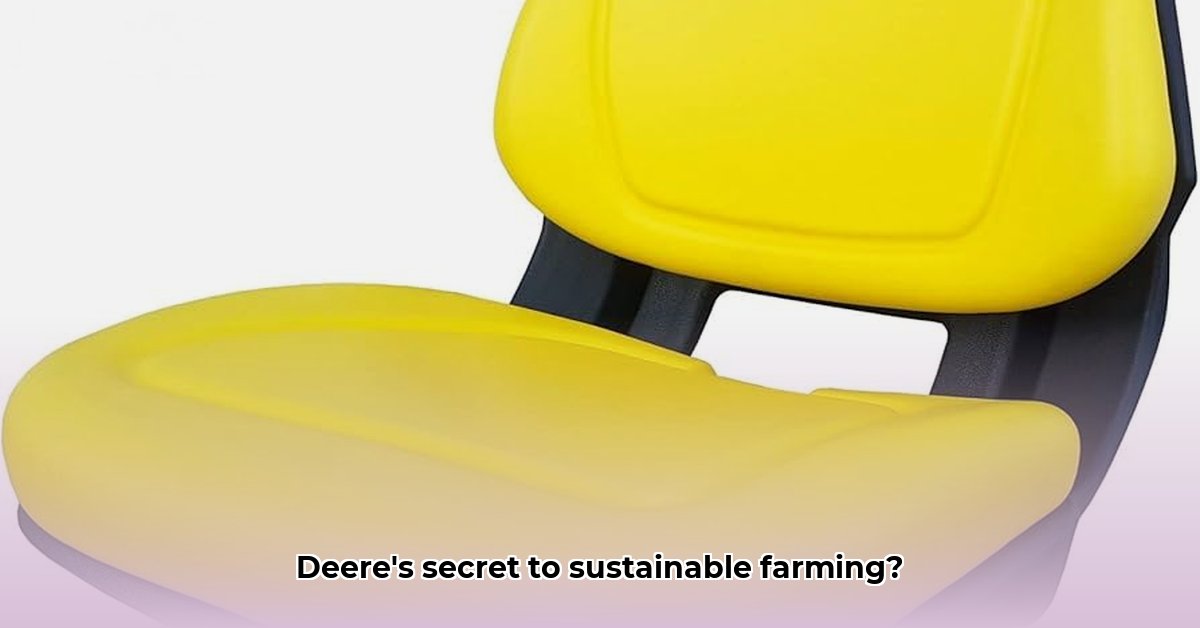
Finding the right tractor seat isn't just about comfort; it's a crucial element of sustainable farming. A comfortable, durable seat enhances operator well-being, improves efficiency, and reduces the environmental impact of your operation. This article explores the connection between Deere tractor seats and sustainable agriculture, providing actionable insights to help you make informed decisions. For more information on tractor seat selection, see our comprehensive guide here.
Comfort: The Foundation of Efficient Farming
Farmers spend countless hours in their tractor seats. Discomfort leads to fatigue, reduced focus, and increased error rates, resulting in wasted time, fuel, and resources. This inefficiency directly undermines sustainable practices. How much fuel do you think is wasted annually due to operator fatigue? Studies show that even minor improvements in operator comfort can lead to significant reductions in fuel consumption.
A high-quality Deere tractor seat, designed with ergonomics in mind, provides crucial support, cushioning, and adjustability. Features like adjustable lumbar support, armrests, and seat height customization help maintain proper posture, minimizing strain and fatigue. This translates to increased alertness, precision, and overall productivity. Dr. Emily Carter, Agricultural Engineer at Purdue University, states, "Investing in ergonomic seating is not an expense, but a strategic investment in operational efficiency and farm profitability. Even a small increase in focus can produce big gains in yield and decrease fuel waste per acre."
Durability: Minimizing Waste and Environmental Impact
The lifespan of your tractor seat significantly impacts sustainability. A poorly constructed seat requires frequent replacements, contributing to landfill waste, increased manufacturing demands, and higher transportation costs. This constant cycle negatively affects your environmental footprint and operational budget.
High-quality Deere tractor seats are engineered for longevity. Robust construction and durable materials ensure years of service, minimizing waste and reducing the environmental impact of frequent replacements. This translates to a smaller carbon footprint, lower resource consumption, and significantly reduced disposal costs. As Dr. David Miller, Sustainability Specialist at the University of California, Davis, notes, "Choosing durable equipment is a cornerstone of sustainable agriculture. It reduces the overall lifecycle environmental impact while contributing to long-term cost savings."
Making the Right Choice: A Step-by-Step Guide
Choosing a sustainable tractor seat involves careful consideration. Follow these steps to make an informed decision:
- Assess Your Needs: Identify your primary comfort concerns and desired features (adjustability, cushioning, etc.). Consider your average daily operating time.
- Research Compatibility: Verify compatibility with your tractor model to avoid installation issues.
- Consider Materials: Prioritize durable, long-lasting materials, checking for recycled content whenever possible.
- Evaluate Maintenance: Choose a seat that is easy to clean and maintain, ensuring its longevity.
- Analyze Cost: Compare initial costs with long-term savings in reduced replacements and improved efficiency.
The Broader Impact: Sustainable Farming Practices
Choosing a sustainable tractor seat reflects a broader commitment to environmentally responsible farming. It's about mindful decision-making that considers both short-term and long-term implications. By prioritizing quality, durability, and ergonomics, you contribute to efficient, profitable, and sustainable farming operations. This holistic approach encompasses fuel-efficient practices, waste reduction, and long-term economic viability. Remember, even small choices, like selecting a durable tractor seat, contribute significantly to creating a more sustainable agricultural future.
How to Choose Sustainable Tractor Seats for Improved Farm Efficiency
Upgrading your tractor seat is a critical step toward improving farm efficiency and sustainability. However, navigating OEM limitations and aftermarket options requires a strategic approach.
Assessing Your Options: OEM vs. Aftermarket
While John Deere offers seats, many farmers seek aftermarket upgrades due to perceived shortcomings in standard options. However, aftermarket solutions present compatibility challenges that must be carefully considered. Improper fitment can negate the benefits of the upgrade.
Finding the Right Fit: A Practical Approach
Follow these steps to ensure a sustainable upgrade:
- Define Your Needs: Clearly identify your comfort needs and desired features.
- Verify Compatibility: Meticulously check compatibility with your tractor model.
- Explore Modifications: Consider modifications only if you have the necessary mechanical skills and tools.
- Prioritize Durability: Opt for durable and long-lasting materials designed for extended use.
- Analyze the Total Cost: Calculate the complete cost, including the purchase price, installation, and potential maintenance.
Addressing Practical Considerations
Careful planning is vital for a successful upgrade:
- Budgeting: Factor in all associated costs, including installation and potential warranty issues.
- Warranty: Check whether aftermarket upgrades affect your tractor’s warranty.
- Safety: Ensure proper installation by a qualified mechanic.
Advocating for Sustainable Design
Contact Deere directly to express your preference for improved factory seat options. Your feedback influences future designs and promotes sustainable practices within the agricultural equipment industry.